Why Reporting Your Rent Could Be the Smartest Financial Move You Make
For most people, rent is their single largest monthly expense. Yet, for decades, renters haven’t been able to use this consistent and often long-term payment history to their advantage—unlike homeowners who build credit through mortgage payments.
But thanks to rent reporting services, that’s changing.
Rent reporting allows your on-time rent payments to be sent to credit bureaus and included in your credit report, just like credit card or loan payments. What seems like a small action can actually unlock big financial opportunities.
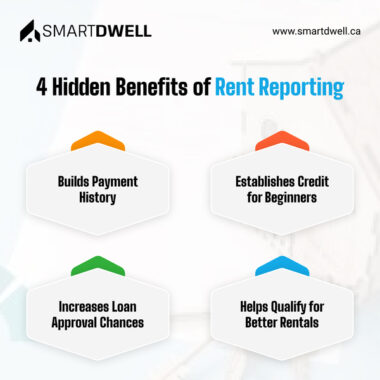
While the obvious benefit is building credit, there are 4 hidden benefits of rent reporting that can change your financial future—especially if you’re new to credit or aiming for long-term goals.
1. Builds a Strong Payment History
Your payment history is the most important factor in your credit score, making up 35% of the total. Yet, without a mortgage or traditional loans, renters typically have no record of making regular payments—until rent reporting comes in.
How rent reporting helps:
-
It turns every on-time rent payment into positive data on your credit report
-
Missed rent payments that were once invisible can now be held accountable, which motivates consistency
-
Over time, this regularity forms a reliable payment history that lenders value
Why this matters:
Lenders, credit card companies, and even some employers look at your credit report to assess your reliability. If they see consistent rent payments made over the past 12 to 24 months, it demonstrates a pattern of financial discipline—even if you don’t have credit cards or loans.
Example:
If you’ve paid ₹25,000 in rent every month for two years, that’s ₹6,00,000 in consistent payments. Without rent reporting, none of that reflects on your credit file. With rent reporting, you gain recognition for being financially responsible.
2. Establishes Credit for Beginners
Starting your credit journey can feel like a catch-22: you need credit to build credit, but you can’t get credit without a score. For students, recent graduates, immigrants, or anyone who has chosen to avoid credit cards, establishing a credit profile from scratch can be challenging.
Rent reporting is a smart and safe way to break this cycle.
How it helps credit beginners:
-
It doesn’t require you to borrow money or open a credit card
-
It provides credit bureaus with legitimate, recurring payment data
-
It helps you build your credit score passively, just by living where you already live
Ideal for:
-
College students renting off-campus
-
Young professionals with no credit history
-
Immigrants or expats with no credit footprint in the new country
-
Debt-averse individuals who avoid credit cards
Why it matters:
The earlier you start building credit, the better. A longer credit history improves your score, and rent reporting can add that much-needed longevity to your credit file—even before you apply for a single loan or card.
3. Increases Loan Approval Chances
Whether you’re applying for a car loan, personal loan, or even a small business loan, one of the first things lenders look at is your credit report. A strong credit history with steady payments increases your chances of approval and helps you secure lower interest rates.
Here’s how rent reporting influences loan applications:
-
Improves your credit score, which is often the first filter in the approval process
-
Adds depth to your credit profile, showing responsible long-term payment habits
-
Gives underwriters more data points to assess your financial reliability
Impact on loan terms:
Better credit scores don’t just increase your chances of getting approved. They also qualify you for better terms:
-
Lower interest rates
-
Higher loan amounts
-
More flexible repayment schedules
Real-life scenario:
Suppose you apply for a car loan and your credit score sits at 680. With rent reporting, you build payment history and raise your score to 720 within a few months. This shift could reduce your interest rate by 1–2%, potentially saving you tens of thousands over the loan term.
4. Helps You Qualify for Better Rental Homes
It may come as a surprise, but your credit history can affect whether you get approved for a rental home—and what kind of terms you’re offered. Many landlords and property managers run credit checks as part of the tenant screening process.
Benefits of rent reporting when applying to new rentals:
-
It provides a verified record of on-time rent payments
-
Landlords may be more willing to waive deposits or cosigner requirements
-
It boosts your credibility, especially in competitive rental markets
Why it matters:
With rent prices rising and competition for quality housing increasing, anything that helps you stand out as a tenant is an advantage. A reported history of paying rent on time can be a deciding factor—especially when two applicants have similar income levels.
Added bonus:
Some landlords now specifically request rent history as part of their screening. If you already have that data reported to credit bureaus, you’re a step ahead.
Why These Benefits Are “Hidden”
Many renters still don’t know rent reporting exists—let alone that it could dramatically improve their financial position.
Here’s why these benefits are often overlooked:
-
Rent isn’t automatically reported: Unlike mortgage payments, landlords don’t typically report rent unless you use a service like SmartDwell
-
Credit education is limited: Most schools and colleges don’t teach how to build credit beyond credit cards
-
Misconceptions exist: Many people think only loans or credit cards affect your score, which is no longer true
That’s why embracing rent reporting isn’t just smart—it’s empowering. It gives you credit for what you’re already doing and unlocks benefits that reach far beyond your current lease.
How to Start Reporting Rent
If your landlord or property manager doesn’t offer rent reporting, you can still enroll in services that enable it directly. Some platforms allow renters to:
-
Report current monthly payments
-
Back-report up to 24 months of past rent payments
-
Sync rent payments with all major credit bureaus (TransUnion, Equifax, Experian)
Checklist before you begin:
-
Verify which credit bureaus the service reports to
-
Ensure your landlord is willing to verify rent if needed
-
Choose a service with transparent pricing and support
Final Thoughts
Rent reporting is a game-changer—especially for renters looking to take control of their financial future. Beyond the obvious benefit of building credit, it helps you:
-
Strengthen your payment history
-
Establish a credit profile without debt
-
Increase your chances of loan approval
-
Qualify for better rentals and terms
If you’re paying rent every month, why not make it work for you?
Take the first step. Start reporting your rent—and unlock the hidden financial advantages you deserve.