Applying for a loan is one of the most important financial decisions you’ll make. Whether you’re looking for a mortgage to buy your dream home, a personal loan for an emergency, or an auto loan to purchase a vehicle, lenders will carefully evaluate your financial history before approving your application. The stronger your financial profile, the better the chances of approval—and the more favorable the loan terms you’ll receive.
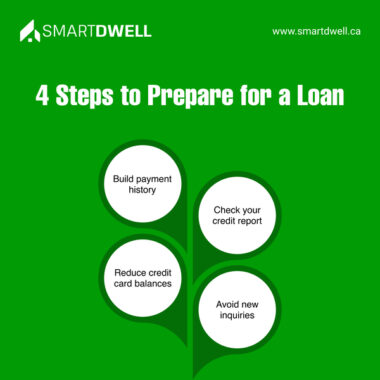
The good news is that with the right preparation, you can position yourself as a reliable borrower. In this blog, we’ll walk through four essential steps to prepare for a loan: building your payment history, checking your credit report, reducing credit card balances, and avoiding unnecessary credit inquiries.
Step 1: Build Payment History
Payment history is the single most important factor in your credit score, accounting for about 35% of your total score. Lenders want to know if you have a record of paying bills on time, and your credit report provides them with this history. A strong, consistent payment history shows lenders that you are dependable and lowers their risk in lending to you.
How to Strengthen Payment History:
-
Always pay on time. Even one late payment can negatively impact your credit score. Set up reminders or use automatic payments to ensure you never miss a due date.
-
Use your rent as a credit-building tool. Rent is often your largest monthly expense, but unless it’s reported to credit bureaus, it doesn’t help your credit score. By using a rent reporting platform, you can turn this regular expense into a powerful record of financial responsibility.
-
Stay consistent. Credit history is about patterns, not isolated actions. Each on-time payment contributes to your financial credibility over time.
By focusing on your payment history, you’re laying the foundation for a stronger loan application.
Step 2: Check Your Credit Report
Before lenders make a decision, they’ll review your credit report to assess your financial behavior. But errors are more common than you might think. Studies show that one in five people has an error on their credit report, and these mistakes can hurt your chances of getting approved for a loan.
Why You Should Review Your Report:
-
Catch inaccuracies. Incorrect late payments, outdated accounts, or fraudulent activity can lower your score unfairly.
-
Understand your standing. Knowing your credit score range helps you predict the type of loan terms you’re likely to receive.
-
Spot areas for improvement. Maybe your utilization rate is too high, or your payment history is short. Identifying weak spots gives you time to correct them before applying.
How to Do It:
You can request a free credit report from each of the three major credit bureaus—Equifax, Experian, and TransUnion—once a year. Reviewing these reports regularly ensures you stay in control of your financial reputation.
Think of this step as doing a “credit health check” before meeting with a lender.
Step 3: Reduce Credit Card Balances
Your credit utilization ratio—the amount of credit you use compared to your total available credit—makes up about 30% of your credit score. High balances on credit cards signal financial strain to lenders and can lower your score.
For example, if you have a $5,000 credit limit and a $4,000 balance, your utilization is 80%—far too high. Experts recommend keeping your utilization under 30%, with under 10% being ideal.
Strategies to Lower Balances:
-
Pay more than the minimum. Tackling high balances aggressively reduces utilization faster.
-
Spread charges across multiple cards. Keeping one card maxed out can hurt your score, even if you pay on time.
-
Use windfalls wisely. Tax refunds, bonuses, or side income can be allocated toward reducing balances.
-
Avoid new debt. Adding new purchases before applying for a loan can backfire, increasing your utilization ratio.
Reducing your balances not only boosts your credit score but also shows lenders that you can manage debt responsibly—two powerful advantages when applying for a loan.
Step 4: Avoid New Inquiries
Every time you apply for new credit, a hard inquiry is added to your credit report. While one or two inquiries may not have a significant impact, multiple inquiries within a short time frame can make lenders nervous. It may signal that you’re desperate for credit or struggling financially.
Why It Matters:
Hard inquiries can lower your credit score temporarily and remain on your report for up to two years. Too many inquiries before applying for a major loan—like a mortgage or auto loan—can hurt your chances of approval or lead to higher interest rates.
What to Do Instead:
-
Hold off on new applications. Don’t apply for credit cards or other loans in the months leading up to your major loan application.
-
Be selective. If you must apply, only apply for credit you truly need.
-
Focus on stability. Lenders value financial stability, so maintaining steady income and consistent payment patterns is far more valuable than opening new credit lines.
This step is about showing lenders that you are not actively seeking multiple sources of credit and that your financial situation is stable.
Bringing It All Together
These four steps—building payment history, checking your credit report, reducing credit card balances, and avoiding new inquiries—work together to strengthen your financial profile. Each step addresses a key factor in your credit score and builds confidence in lenders that you can handle borrowing responsibly.
Think of it this way:
-
Step 1 builds trust by showing consistency.
-
Step 2 ensures accuracy and awareness.
-
Step 3 demonstrates responsible debt management.
-
Step 4 highlights stability and foresight.
Together, they create a solid foundation for loan approval.
Final Thoughts
Loan applications can feel intimidating, but preparation makes all the difference. By taking proactive steps, you put yourself in control of your financial journey. Lenders want to see that you’re reliable, organized, and responsible—and these four steps prove exactly that.
Start by building and reporting your payment history, especially with your rent. Review your credit reports regularly to catch errors. Focus on lowering your balances and present yourself as a disciplined borrower. And finally, avoid unnecessary credit inquiries to show lenders that you’re financially stable.
When you follow these steps, you don’t just increase your chances of getting approved for a loan—you also position yourself for better terms, lower interest rates, and long-term financial success.
Remember: preparation today creates opportunities tomorrow.